Ali Ajdari
20180909_084618.jpg

Ali Ajdari, Ph.D.

Industrial Engineer | Operations Researcher | Cancer Scientist

Background & Education


  • Ph.D. in Industrial & Systems Engineering, University of Washington, Seattle, WA

  • M.Sc. in Industrial & Systems Engineering, Sharif University of Technology, Iran

  • B.Sc. in Industrial & Systems Engineering, Isfahan University of Technology, Iran.

24301183_10210547287145422_6440370906443538673_n.jpg

Thesis supervisor: Dr. Archis Ghate

Date of completion: December 2017

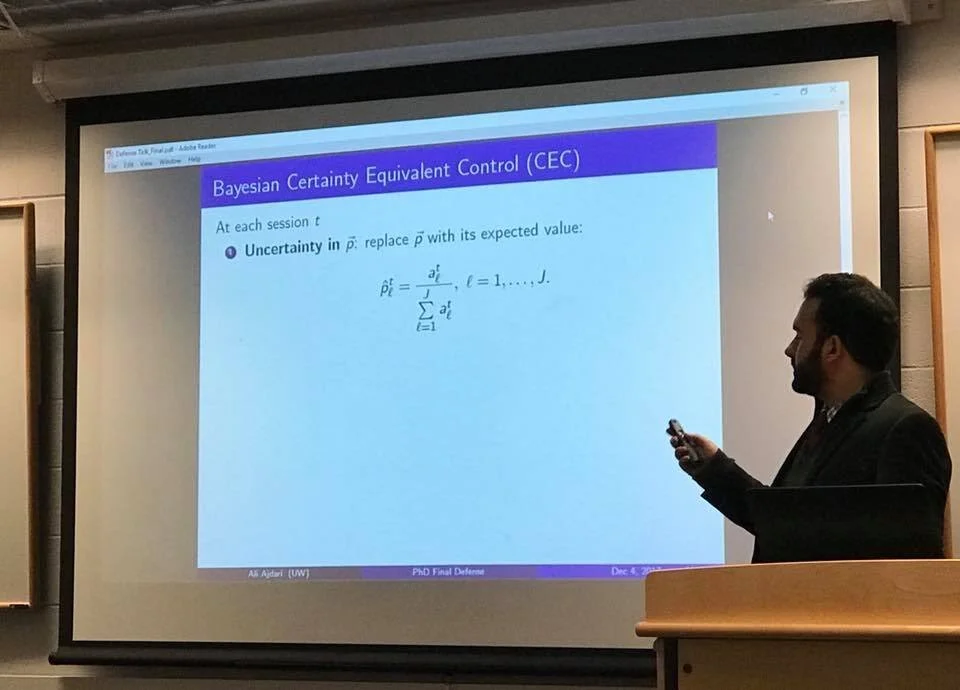
Abstract: The objective in this thesis is to apply dynamic and convex optimization as well as robust optimization techniques to tackle the external radiotherapy problem. The model undertaken in this thesis is based on the famous linear-quadratic (LQ) dose-response model. The mathematical model achieved by such formulation is generally a non-convex quadratically constrained quadratic problem (QCQP). We offer several approaches to solve this problem and address the inherent uncertainties in the formulation. The methods employed are convex optimization, dynamic programming, and robust optimization techniques to tackle inherent radiobiological uncertainties in radiation therapy treatment planning.

Publications:

  1. Ajdari, A., Ghate, A. (2016). Robust spatiotemporally integrated fractionation in radiotherapy. Operations Research Letter. 44(4): 544-549.

  2. Ajdari, A, Ghate, A, Kim, M. (2018). Adaptive treatment-length optimization in spatiobiologically integrated radiotherapy, Physics in Medicine & Biology 63(7):075009.

  3. Ajdari, A, Saberian, F, Ghate, A. (2018). A theoretical framework for learning tumor dose-response uncertainty in individualized spatiobiologically integrated radiotherapy, INFORMS Journal on Computing (accepted for publication).


Thesis supervisor: Dr. Hashem Mahlooji

Date of completion: 01/2012

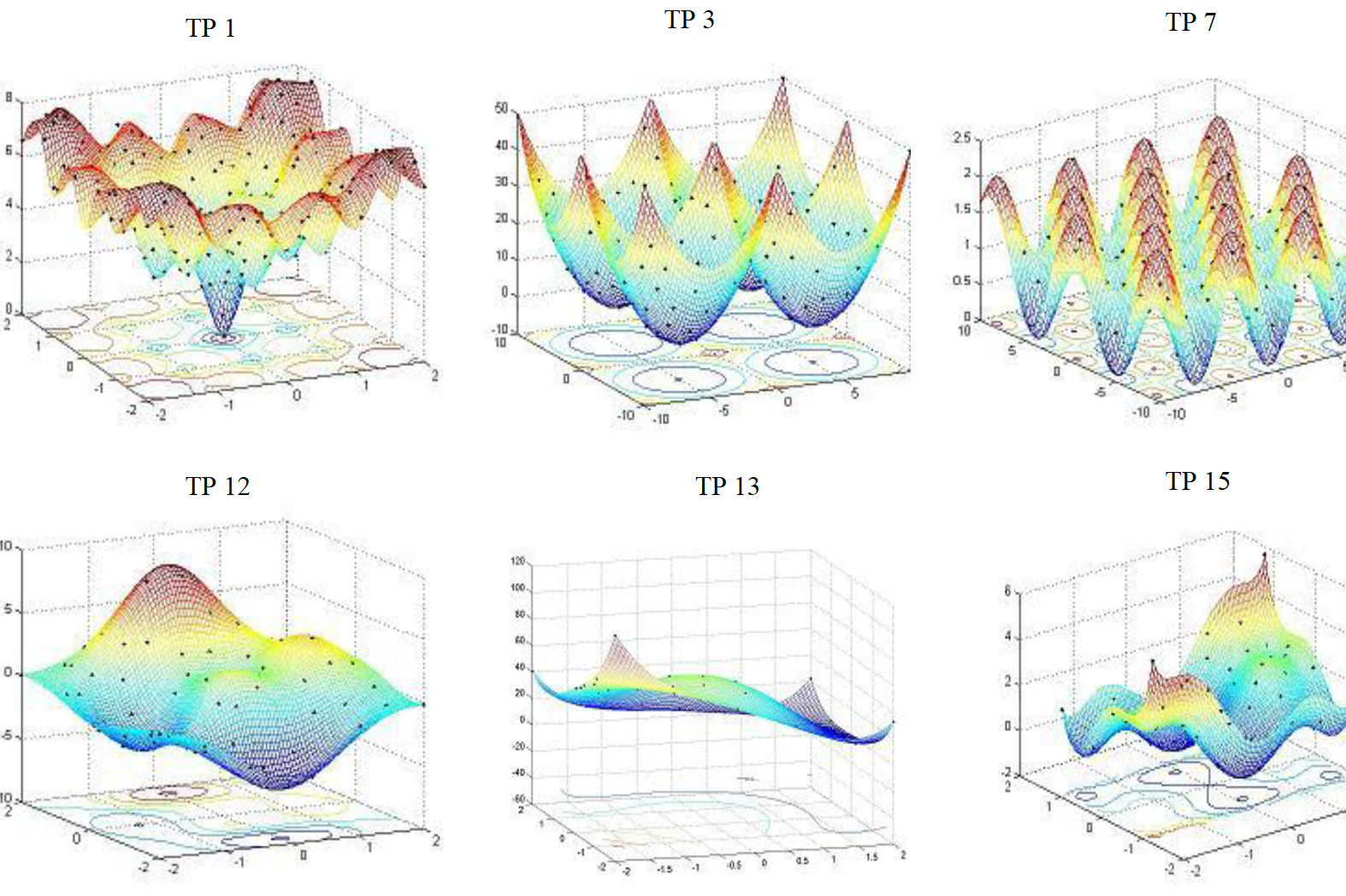
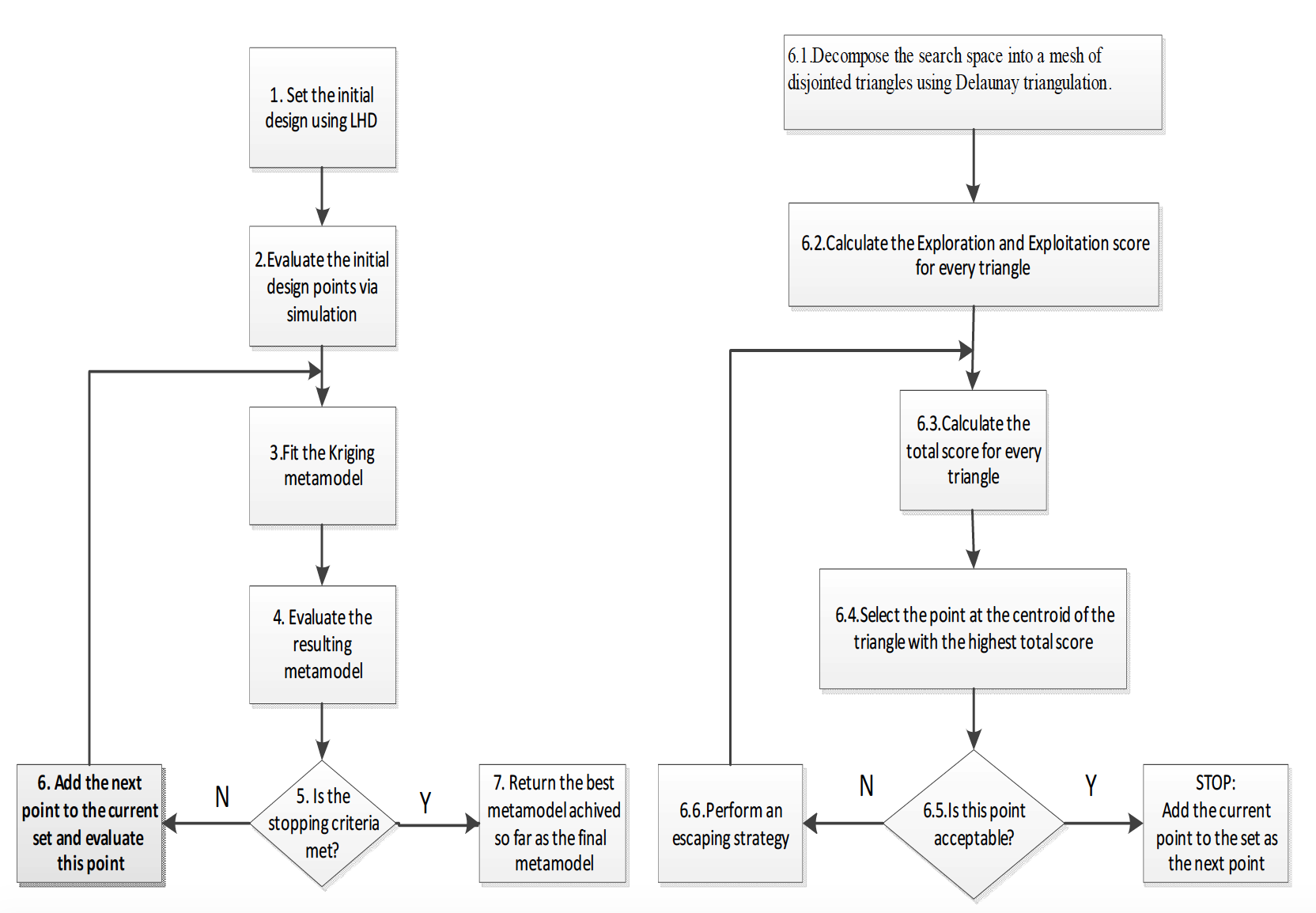
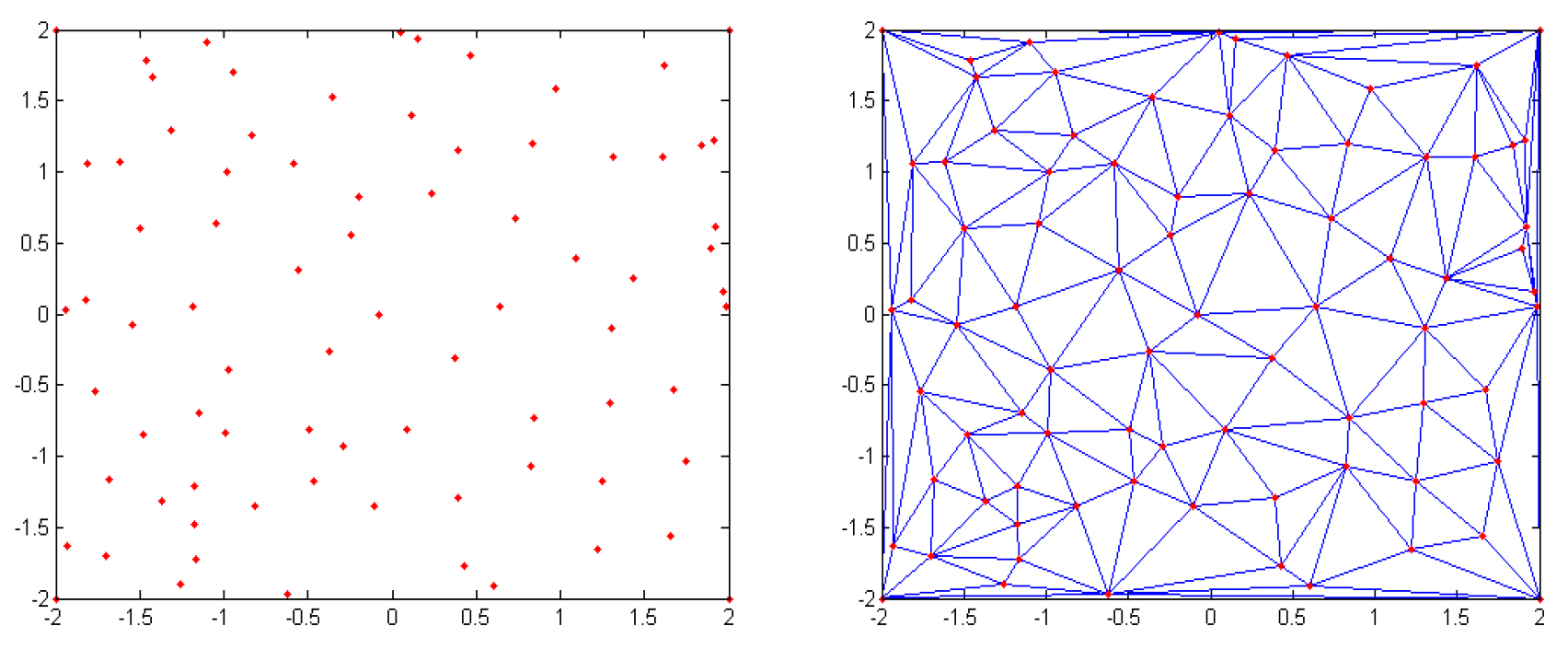
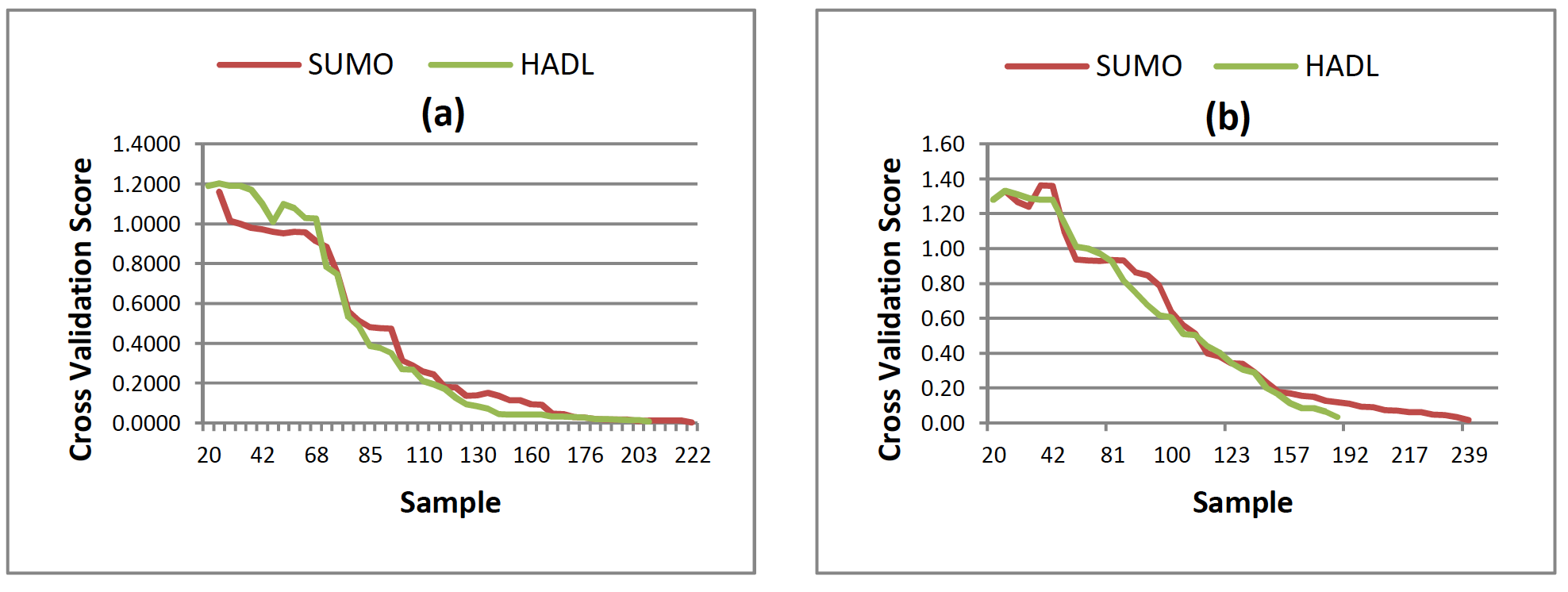
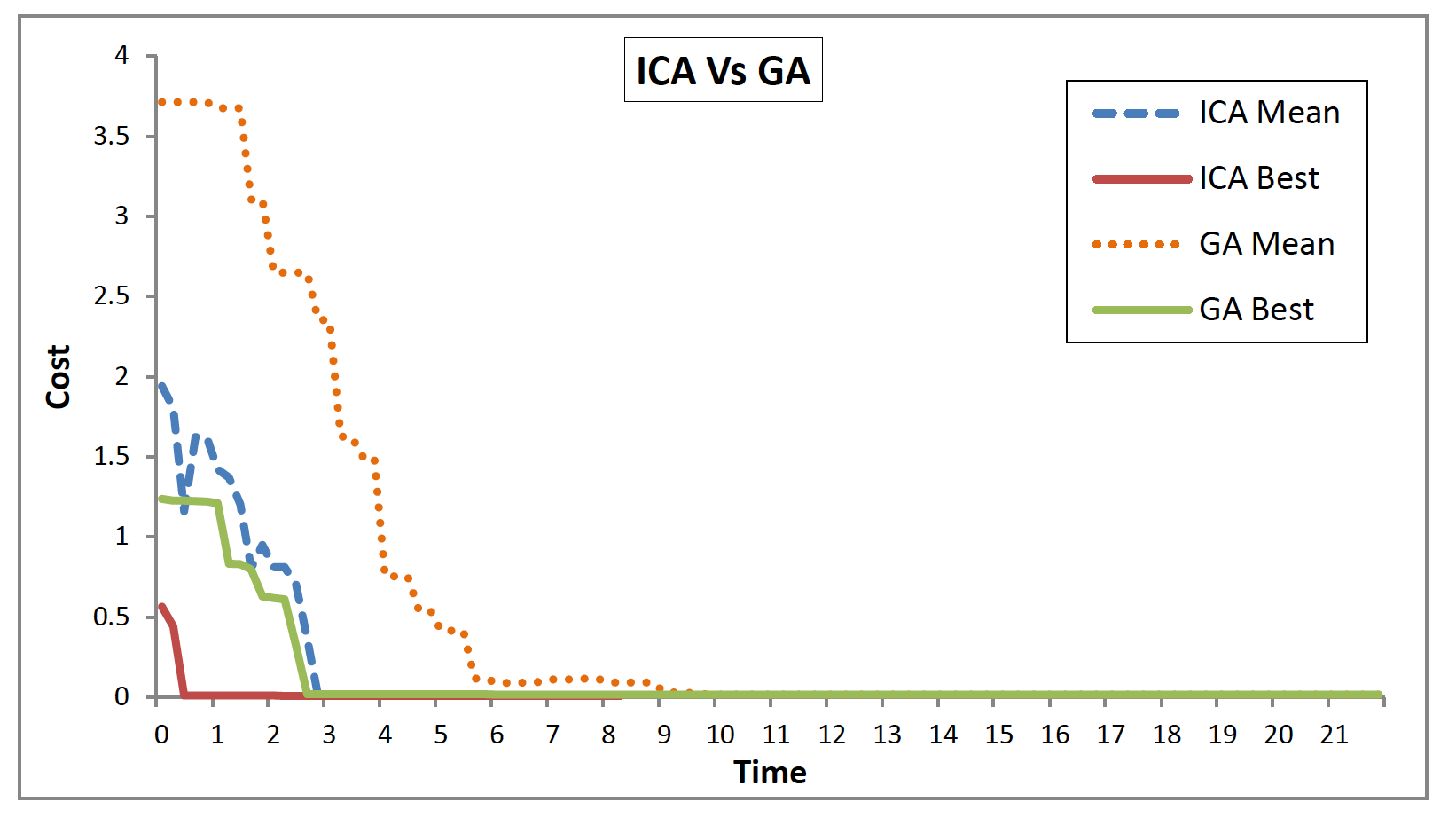
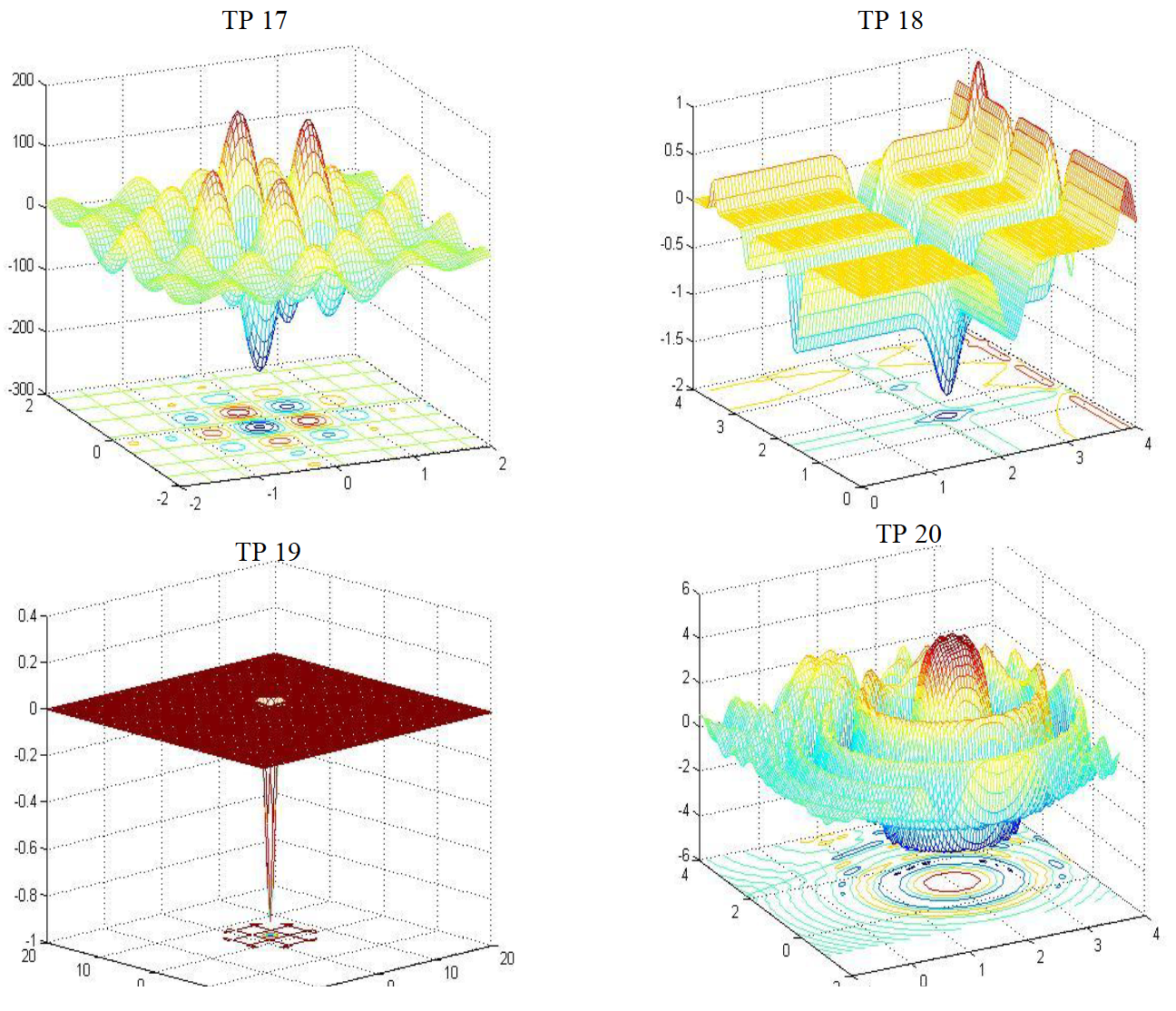
Thesis Abstract: In this work, we propose a metamodel-based simulation optimization algorithm using a novel hybrid sequential experimental design. The algorithm starts with a metamodel construction phase in which at each stage, a sequential experimental design is used to select a new sample point from the search space using a hybrid exploration-exploitation search strategy. Based on the available design points at each stage, a metamodel is constructed using Artificial Neural Network (ANN) and Kriging interpolation techniques. The resulting metamodel is then used in the optimization process to evaluate new solutions. We use Imperialist Competitive Algorithm (ICA) which is a powerful population-based evolutionary algorithm in the optimization phase to find near-optimal solution for the problem. The performance of the proposed algorithm is evaluated through comparing the results with a strong commercial experimental design toolbox called SUMO and Genetic Algorithm. The experiments show that the proposed algorithm outperforms its rival in both metamodel construction and the optimization phase. Moreover, we compare the performance of ANN and Kriging in terms of both speed and efficiency. The results indicate that while Kriging method outperforms ANN in term of speed, ANN is more competent for building metamodels for more complex surfaces

Publication:

  1. Ajdari, A., Mahlooji, H. (2014). An adaptive exploration-exploitation algorithm for constructing metamodels in random simulation using a novel sequential experimental design. Communication in Statistics: Simulation and Computations. 43(5): 943-968.

Thesis supervisor: Dr. Hamed Tarkesh

Data of completion: 02/2009

Thesis Abstract: The foreign exchange market (Forex) is a global decentralized market for the trading of currencies which is responsible for determining foreign exchange rates for every national currency (e.g. US dollar, Euro, Yen, etc,). Predicting future currency exchange rates between different currencies is obviously of utmost importance for any international transactions, and can determine to a large extent the import-export policies on the macro economic level, as well as shaping individual financial transactions. In this work, we devised a novel closed-loop Artificial Neural Network (ANN) for time series analysis of the exchange rate. In particular, the ANN model was designed for predicting the future exchange rate between US dollar and Euro over a 10-day period. The model takes as input one-month histories of the exchange rate as well as other economic and social indicators of Europe and US (e.g. GDP, U.S.’s NASDAQ, S&P500, Dow Jones indices, Germany’s DAX index, etc.) to predict the future exchange rate. The accuracy of the model was tested using 5-fold cross validation techniques and resulted in a decent performance: 84% correct trend prediction (descending vs. ascending) and 78% correct prediction of the infliction point.